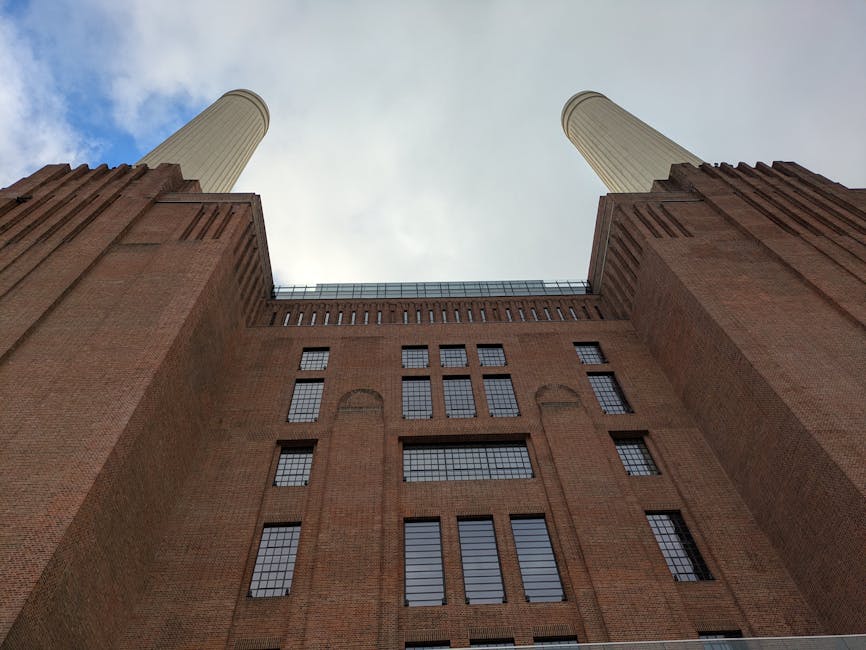
Deep clean for flats at Battersea Power Station: a practical guide for residents, landlords, and move-in days
If you live in one of the riverside apartments around Battersea Power Station, you already know the place has its own rhythm: polished common areas, busy lift runs, delivery parcels at awkward hours, and flats that can pick up dust, grease, and everyday grime faster than you expect. A deep clean for flats at Battersea Power Station is not just a prettier version of a normal tidy-up. It is the reset that reaches behind taps, inside appliances, along skirting boards, and into the little corners that quietly build up over time.
That matters whether you are moving in, preparing to move out, recovering after renovation dust, or simply trying to get a fresh start. In this guide, you will find what a deep clean really includes, how it works in a modern apartment setting, what to check before booking, and the mistakes people tend to make when they try to do everything at once. Truth be told, a good deep clean is less about sparkle for show and more about making your flat feel properly livable again.
Expert summary: A proper deep clean should target hidden dirt, high-touch surfaces, grease build-up, and soft furnishings, while respecting building access, finishes, and your cleaning priorities. It is the difference between "looks fine" and "actually feels clean".
For a broader service overview, it can help to compare the work with deep cleaning, and if you are planning around furniture, appliances, or a new tenancy, you may also want to look at move-in cleaning and move-out cleaning.
Table of Contents
- Why Deep clean for flats at Battersea Power Station Matters
- How Deep clean for flats at Battersea Power Station Works
- Key Benefits and Practical Advantages
- Who This Is For and When It Makes Sense
- Step-by-Step Guidance
- Expert Tips for Better Results
- Common Mistakes to Avoid
- Tools, Resources and Recommendations
- Law, Compliance, Standards, or Best Practice
- Options, Methods, or Comparison Table
- Case Study or Real-World Example
- Practical Checklist
- Conclusion
- Frequently Asked Questions
Why Deep clean for flats at Battersea Power Station Matters
Flats in a premium London development often look clean at a glance, and that can be a bit deceptive. Smooth floors, glass panels, fitted kitchens, and compact layouts make everyday dirt more visible in some places and less obvious in others. You might notice a faint greasy film on cupboard handles, a dusty edge around extractor fans, or lime scale slowly gathering around bathroom fittings. None of it is dramatic on its own. Together, though, it makes the flat feel tired.
A deep clean matters because the environment is different from a standard house clean. Apartments tend to have more compact kitchens and bathrooms, more hard surfaces, and often shared building access routes that bring in extra dust and debris. If you have just returned from a holiday, finished a tenancy, or had trades in, the flat can suddenly feel lived-in in the wrong way. A careful deep clean restores order without rushing the details.
There is also a practical side. High-traffic flats are more prone to odours from bins, kitchen use, pets, or damp patches around windows. A proper service gets into the places that trap those smells before they become part of the room. And yes, the difference is noticeable the moment you walk in. Cleaner air, cleaner touch points, cleaner headspace. That sounds dramatic, but it really isn't.
For residents who want help with other room-specific jobs, targeted services such as oven cleaning, window cleaning, and carpet cleaning can be used alongside a deeper flat clean when needed.
How Deep clean for flats at Battersea Power Station Works
A real deep clean is usually planned room by room. It begins with a quick assessment of the flat's condition, the surfaces involved, and any sensitive materials such as matte finishes, stone worktops, engineered wood, or delicate upholstery. You do not want a one-size-fits-all approach here. One wrong product on a surface can leave streaks, dull patches, or residue that takes longer to fix than the original problem. Annoying, but common.
The work then moves through the property in a logical sequence. Good cleaners usually start high and work down: dusting top edges, light fittings, shelves, cupboards, and vents before tackling surfaces, floors, and skirting. Kitchens and bathrooms normally take the longest because they hold grease, soap residue, and mineral deposits. Bedrooms and living rooms need detailed dust removal, furniture care, and attention to floor edges, under-bed spaces, and soft furnishings.
In apartment buildings, access matters too. Entry arrangements, lift timing, parking, and whether bins or bulky waste need to be moved can all shape the schedule. A smooth job often comes down to those small logistical details. Not glamorous, but very real.
Where soft furnishings need extra attention, a deep clean may be paired with sofa cleaning, upholstery cleaning, or mattress cleaning, especially if you are dealing with odours, stains, or long-term dust build-up.
Key Benefits and Practical Advantages
The most obvious benefit is visual. A flat looks brighter, fresher, and better cared for after a proper deep clean. But the bigger gains are more practical than cosmetic.
- Better hygiene: Grease, dust, soap residue, and build-up are removed from hidden and high-touch areas.
- Cleaner air feel: When dust and odours are reduced, rooms feel easier to live in.
- Less wear on finishes: Regular removal of grime helps protect surfaces, especially in kitchens and bathrooms.
- Move-in confidence: You can unpack into a flat that feels properly reset rather than half-finished.
- Move-out readiness: It helps avoid the last-minute scramble that so many people regret.
There is also a mental benefit, which people sometimes underestimate. A flat that is genuinely clean feels calmer. You stop noticing sticky handles or dusty corners every time you sit down. That small shift can make the whole place feel lighter, and in a busy London setting, that counts for a lot.
If the property has had renovation work, a post-project reset may require after builders cleaning. That kind of clean is different again because fine dust behaves differently, gets everywhere, and has a habit of reappearing even after you think you have finished. A classic little nuisance.
Who This Is For and When It Makes Sense
A deep clean for flats at Battersea Power Station makes sense for several very different types of resident. It is not only for messy homes, and it is not only for end-of-tenancy situations. In fact, many of the best-timed cleans happen before anything looks seriously bad.
This service is especially useful for:
- new tenants moving into a flat and wanting a clean start
- residents moving out who want the property in strong condition
- owners preparing a flat for short-term guests or a handover
- busy professionals who keep the flat tidy but cannot keep up with deep-detail work
- families dealing with routine wear, crumbs, bathroom build-up, and kitchen grease
- landlords or managing agents aiming to present the property well
It also makes sense after a stretch of neglect. Maybe life got busy. Maybe winter made everything feel a bit damp and heavy. Maybe you were away, or working late, or just did not fancy cleaning the oven on a Sunday evening. Happens to the best of us.
If your home needs something more occasional than routine, a one-off cleaning visit can be the right middle ground. If you are looking for ongoing support instead, regular cleaning may keep the flat in better shape between deeper resets.
Step-by-Step Guidance
Here is a sensible way to approach a deep clean without turning it into a weekend you regret.
- Walk through the flat first. Note the worst areas, the delicate surfaces, and anything that needs special attention.
- Declutter key areas. Clear counters, floors, and bathroom shelves so the cleaning reaches the actual surface.
- Start with dust and dry debris. This prevents you from spreading grime around once water and product are introduced.
- Tackle the kitchen in sections. Cabinet fronts, splashbacks, extractor hood, sink, taps, oven, and appliance exteriors should each get individual attention.
- Move into bathrooms. Descale taps, clean grout lines where practical, disinfect contact points, and remove soap residue from glass and tiles.
- Refresh living spaces and bedrooms. Dust skirting boards, reachable shelves, bedside areas, window ledges, and under furniture.
- Finish floors last. Vacuum thoroughly, then mop or treat floors based on the surface type.
- Do a final check in natural light. Morning or late-afternoon light can reveal streaks and missed patches that overhead lighting hides.
That final inspection is worth doing. At 7:30 in the morning, a streak on a mirror suddenly becomes obvious. Strange how that works.
If you are preparing for an arrival rather than a departure, pairing the service with move-in cleaning can help you focus on unpacking rather than scrubbing cupboards on day one.
Expert Tips for Better Results
After enough flat cleans, a few patterns become obvious. The small decisions make the big difference.
- Work from top to bottom. This stops dust from falling onto areas you have already cleaned.
- Choose the right cloth for the right surface. Microfibre is useful, but not for every finish in the same way.
- Let cleaning products dwell when safe. A few minutes of contact time can do more than aggressive scrubbing.
- Pay attention to handles and switches. These are the places people touch constantly and forget completely.
- Open windows briefly if weather allows. Fresh air helps with both drying and lingering cleaning smells.
- Protect delicate finishes. Matte cabinetry, stone, and sealed wood should be treated gently, not attacked.
One small but useful habit: clean as if the next person will look closely. Because they will. Maybe not in a dramatic way, but they will notice whether the hob edges are spotless and whether the bathroom mirror is streak-free. It is those low-key details that make a flat feel genuinely cared for.
For residents who care about environmental choices, it is also sensible to ask about product selection and disposal practices. The recycling and sustainability approach can matter, especially when you are trying to reduce waste without compromising results.
Common Mistakes to Avoid
Deep cleaning sounds straightforward until you are halfway through and realise the job is larger than expected. A few mistakes show up again and again.
- Cleaning in the wrong order. If you mop first and dust later, you have just doubled the work.
- Using too much product. More is not always better. Excess product leaves residue and attracts dirt.
- Ignoring edges and hidden zones. Skirting boards, the back of taps, the side of fridges, and under appliances matter.
- Forgetting ventilation points. Extractor fans and vents often collect more dust than people think.
- Rushing bathrooms. Soap film and limescale often need more patience than a quick wipe.
- Over-wetting soft materials. That can lead to slow drying, odour, or damage.
To be fair, the biggest mistake is often simply underestimating the time involved. A flat can look manageable at first glance, then reveal five different little pockets of work per room. It sneaks up on you.
If your flat has a stubborn cooking smell or baked-on residue, the oven cleaning service can make a disproportionate difference. Ovens and extractor areas are often the hidden source of "why does the kitchen still feel dirty?"
Tools, Resources and Recommendations
You do not need a trolley full of gadgets to deep clean a flat well, but you do need the basics in good condition. A dull sponge and a tired mop will only take you so far. In practice, these are the tools that usually matter most:
- microfibre cloths for dusting and polishing
- a vacuum with suitable attachments
- a mop suited to your floor type
- non-abrasive cloths for delicate surfaces
- a scraper used carefully for safe hard-surface jobs
- appropriate cleaning products for kitchen, bathroom, glass, and floors
- gloves, especially for longer cleans
For larger textiles, specialist help can save time and improve the finish. Rug cleaning is worth considering if your rugs trap dust and odour, while a separate pass on curtains, chairs, or cushions may call for upholstery care rather than general dusting. That is the sort of distinction people often skip, then wonder why the room still feels a little off.
If you are planning the job around a bigger life change, service pages such as end of tenancy cleaning, domestic cleaning, or house cleaning can help you compare levels of support and decide what suits the property best.
Law, Compliance, Standards, or Best Practice
Any cleaning work in a residential building should be carried out with care for safety, access, and the condition of the property. In the UK, that means thinking sensibly about products, ventilation, manual handling, and avoiding damage to surfaces or fixtures. It also means respecting building rules, communal areas, and waste disposal arrangements. Simple enough in theory, but worth taking seriously in practice.
For anyone using a professional service, trust signals matter. You want to know that the company has a clear health and safety policy, sensible insurance and safety arrangements, and transparent terms and conditions. That is not paperwork for the sake of paperwork. It is the stuff that helps prevent misunderstandings if there is a problem, an access issue, or a question about what is and is not included.
Payment handling also matters. If you are booking remotely or arranging a service for a future date, a clear payment and security policy gives useful reassurance. And if you ever need to raise an issue, a published complaints procedure is a simple sign that the business expects accountability. That is a good thing.
Options, Methods, or Comparison Table
Not every flat needs the same approach. Here is a simple comparison to help you choose the right level of clean.
| Approach | Best for | Typical focus | Notes |
|---|---|---|---|
| Routine clean | Weekly or fortnightly upkeep | Visible surfaces, floors, bathroom basics | Good for maintenance, not enough for build-up |
| One-off clean | Irregular resets or seasonal refresh | General property clean with extra attention to problem areas | Helpful when the flat needs a lift but not a full overhaul |
| Deep clean | Move-ins, move-outs, neglected areas, detailed reset | Behind, under, inside, and around fixtures and fittings | Most thorough option for a flat that needs a genuine refresh |
| Specialist add-ons | Specific problem areas | Oven, carpets, upholstery, windows, mattress | Best when one item is dragging down the whole flat |
In real life, the best choice is often a mix. A deep clean handles the main reset, then a specialist service tackles the thing that is bothering you most. The kitchen, the carpet, the sofa. Usually one of those is the culprit.
Case Study or Real-World Example
Here is a realistic scenario. A resident in a Battersea Power Station flat is moving out after two years. The flat is tidy, but the kitchen has grease on cabinet handles, the bathroom has limescale around taps, and the living room carpet looks flat from everyday use. Nothing dramatic, just the usual wear of a busy home.
The sensible approach is a full deep clean rather than trying to patch the problems one by one. The kitchen gets the most time, with attention to the hob, extractor, cupboard fronts, sink, and splashback. The bathroom is descaled and detailed. The carpet is refreshed, windows are cleaned, and the bedroom skirting and hidden dust points are dealt with. If the sofa has absorbed everyday smells, upholstery treatment is added too.
What changes? The flat no longer looks "lived in and slightly tired". It reads as properly maintained. That can matter for a handover, a landlord inspection, or simply your own peace of mind. Honestly, that last part is sometimes the biggest win.
And if the flat is being handed over to new occupants, pairing the job with move-out cleaning makes the process a lot smoother than trying to squeeze it all into one late evening.
Practical Checklist
Use this checklist before and during the clean to keep the work focused.
- Remove clutter from counters, floors, and bathroom shelves
- Empty bins and clear old food packaging
- Check cupboards, drawers, and appliance interiors
- Dust high surfaces before low surfaces
- Clean taps, handles, switches, and other touch points
- Descale bathroom fittings where needed
- Check under beds, behind furniture, and along skirting boards
- Vacuum soft furnishings and floor edges carefully
- Finish with mirrors, glass, and final floor cleaning
- Open windows briefly for fresh air if conditions allow
- Walk through the flat in good light before calling it done
Quick takeaway: if a room still feels slightly off after cleaning, it is usually because one hidden zone has been missed. Look under, behind, and along the edges. That is where the answer usually is.
Conclusion
A deep clean for flats at Battersea Power Station is about more than surface shine. It restores the places people actually live in: the kitchen that gathers cooking residue, the bathroom that picks up mineral marks, the living room where dust settles quietly, and the corners that no one notices until they do. A thoughtful, room-by-room approach gives you a flat that feels fresher, healthier, and easier to maintain.
Whether you are moving in, moving out, or simply trying to reclaim a bit of calm, the right clean can take a surprising amount of pressure off. Small detail, big relief. And that, if you ask me, is exactly what a good cleaning service should do.
If you are ready to compare options, review the service details, or plan your next clean, it is a good moment to take the next step.
Get a free quote today and see how much you can save.
Frequently Asked Questions
What is included in a deep clean for a flat?
A deep clean usually includes detailed cleaning of kitchens, bathrooms, living areas, bedrooms, floors, skirting boards, touch points, and often hidden or hard-to-reach areas. The exact scope can vary, so it is wise to confirm what is covered before booking.
How is a deep clean different from a regular clean?
A regular clean focuses on upkeep, while a deep clean goes further into build-up, edges, inside areas, and neglected zones. It is more detailed and more time-consuming, especially in kitchens and bathrooms.
How long does a deep clean take in a Battersea Power Station flat?
It depends on the size of the flat, how much build-up there is, and whether extra services are needed. A compact flat can still take a while if the kitchen and bathroom need detailed work. You should expect the timing to be based on condition, not just square footage.
Should I book a deep clean before moving in?
Yes, that is one of the best times to do it. A move-in clean gives you a fresh start before furniture arrives, which makes it much easier to reach cupboards, corners, and floors properly.
Is a deep clean useful before moving out?
Definitely. It helps leave the flat in much better condition and can reduce last-minute stress. If the property needs a detailed handover, combining it with move-out support is often the smarter route.
Can a deep clean remove limescale and grease?
In many cases, yes. Limescale and kitchen grease are common reasons people book deep cleaning in the first place. Severe build-up may take extra attention or specialist treatment, but these are standard targets for the service.
Do I need to be home during the clean?
Not always, but it depends on access arrangements and your comfort level. Some people prefer to stay for the start and final check; others leave clear instructions and return later. Either way, the key is to make access and expectations clear.
What if my flat has delicate surfaces or finishes?
That should be mentioned in advance. Matte cabinetry, stone worktops, engineered wood, and similar finishes need suitable products and methods. A careful cleaner will adjust the approach rather than using the same technique everywhere.
Is deep cleaning suitable for furnished flats?
Yes, and in some cases it is even more useful because furniture collects dust and odours over time. Soft furnishings, under-sofa areas, and mattress surfaces may need extra attention if the flat is fully furnished.
How often should I get a deep clean?
There is no single rule, because it depends on how the flat is used. Many people book one after moving in, before moving out, or after a period of heavy use. If a property is easier to keep tidy than to reset, a regular cleaning schedule may help in between deeper visits.
Can I combine deep cleaning with carpet or sofa cleaning?
Yes, and that is often a sensible decision. If carpets, sofas, or rugs are making the flat feel less fresh overall, specialist cleaning can complete the job properly rather than leaving one visible area unfinished.
What should I do before the cleaners arrive?
Remove personal clutter, secure valuables, and make sure access instructions are clear. It also helps to flag priority areas, such as a greasy oven, a bathroom with limescale, or a sofa that needs extra care. A short brief saves a lot of back-and-forth.
How do I choose a trustworthy cleaning service?
Look for clear information on pricing, safety, insurance, terms, and complaints handling. Those practical details matter as much as the cleaning itself. If a company is open about how it works, that is usually a good sign.
Will a deep clean make my flat feel more comfortable straight away?
Usually, yes. The change is often immediate: less dust, fewer smells, cleaner surfaces, and a calmer feel in the room. It is one of those things you notice the moment you step back inside. A small luxury, really, but a useful one.