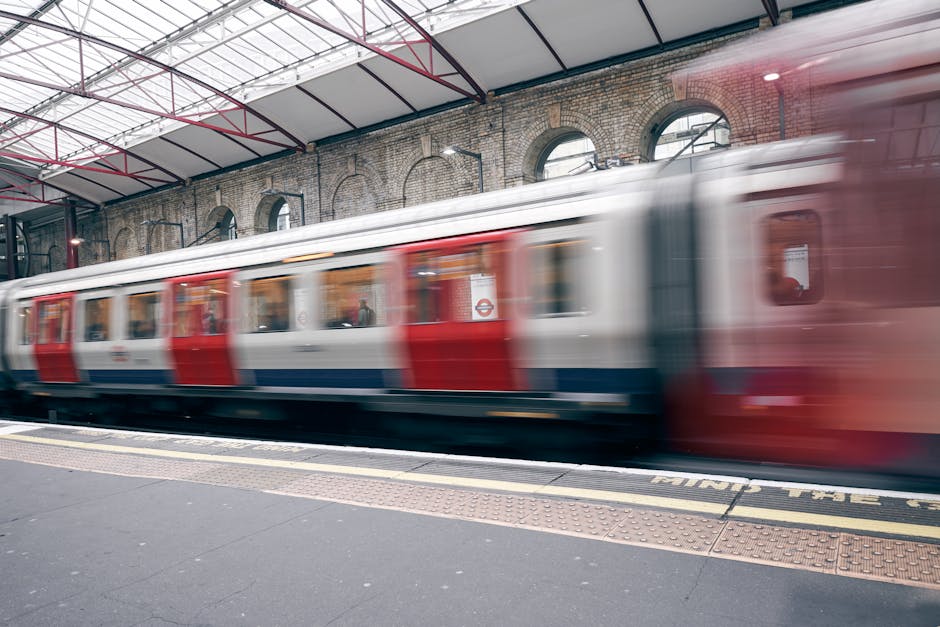
The Growing Importance of Sustainable Urban Mobility
Urban mobility is changing rapidly, and the shift is reshaping how people move, work, and live in cities. As populations continue to rise in metropolitan areas, transportation systems are under greater pressure to provide efficient, accessible, and environmentally responsible options. Sustainable urban mobility is no longer a niche concept reserved for planners and policy experts; it has become a central issue for communities, businesses, and governments around the world.
At its core, sustainable urban mobility refers to transportation that supports social inclusion, economic vitality, and environmental protection. It includes public transit, walking, cycling, micromobility, shared transport, and smarter use of road networks. The goal is not simply to move more people faster, but to create a city mobility model that improves quality of life while reducing congestion, emissions, and wasted time. Modern cities increasingly rely on integrated transport strategies to achieve these outcomes.
One of the biggest reasons sustainable mobility matters is that the traditional car-centered model is reaching its limits. Roads become congested, parking space is scarce, fuel use remains high, and air quality often suffers. In response, city leaders are investing in cleaner alternatives and more connected transportation ecosystems.
This transformation affects daily routines, local economies, and even how neighborhoods are designed.
Another major advantage of sustainable mobility solutions is their flexibility. A city does not need to rely on a single transportation mode to be successful. Instead, it can combine buses, trains, bicycles, pedestrian routes, and shared vehicles in a balanced network. When these systems work together, they create more reliable and efficient travel choices for residents. Integrated transportation planning helps cities reduce dependency on private cars while increasing access for everyone.
Public transportation remains one of the most effective pillars of urban mobility sustainability. Well-designed bus and rail systems can carry large numbers of passengers with lower emissions per person than individual cars. They also help reduce traffic congestion by taking more vehicles off the road. However, public transit must be frequent, affordable, safe, and easy to navigate if it is to attract consistent use. Cities that invest in service quality often see long-term gains in ridership and public trust.
Walking and cycling are equally important in the conversation about sustainable city transport. These modes are often overlooked, yet they play a vital role in short-distance travel and first-mile, last-mile connectivity. When sidewalks are safe, crossings are well-marked, and bike lanes are protected, more people are willing to choose active transportation.
This shift not only reduces emissions but also supports health, community interaction, and street-level vitality.
The middle of any discussion about urban transportation today must address technology, because digital tools are changing the way people use mobility services. Real-time transit apps, route optimization systems, contactless payment platforms, and shared mobility networks are making travel more seamless. These innovations do not replace infrastructure, but they make existing systems more useful and responsive. Smart mobility solutions can improve efficiency, reduce waiting times, and help cities adapt to changing travel patterns.
Micromobility has become one of the most visible trends in recent years. Electric scooters, shared bicycles, and compact electric vehicles offer convenient alternatives for short trips. Their popularity reflects a broader demand for transportation that is fast, flexible, and low-impact. Still, successful micromobility requires clear rules, dedicated lanes, proper parking management, and safety education. When managed well, it can complement public transit and reduce pressure on road networks.
Environmental concerns continue to drive interest in greener transportation strategies. Cities face mounting pressure to lower greenhouse gas emissions and improve air quality, especially in dense neighborhoods where traffic pollution can have serious health effects. Sustainable mobility planning supports these goals by encouraging low-emission modes and reducing reliance on fossil fuels. Cleaner urban transportation is not only an environmental priority; it is also a public health strategy and an economic one.
Economically, mobility systems shape the competitiveness of a city. Reliable transport enables workers to reach jobs on time, helps students access education, and supports customers visiting local businesses. Congested, unreliable travel can have the opposite effect, increasing costs and reducing productivity. For this reason, transportation infrastructure is often considered a foundation of economic resilience. Efficient mobility networks support commerce by connecting people to opportunities.
Equity is another essential aspect of sustainable urban transportation. Not everyone owns a car, and many people depend on public or shared transportation every day. Low-income communities, older adults, people with disabilities, and families with limited access to vehicles all benefit when transportation systems are inclusive. Accessibility features, fair pricing, and route coverage are critical if sustainable mobility is to serve the entire population rather than a privileged few.
Design also plays an important role in shaping travel behavior. Streets that prioritize cars often discourage walking and cycling, while streets designed for people tend to support more diverse movement. Wider sidewalks, traffic calming, shade, seating, and mixed-use development all contribute to mobility environments that feel safer and more inviting.
In many cases, the physical layout of a city determines whether sustainable travel is practical or difficult.
Behavioral change is often overlooked, but it is central to the success of any sustainable transport initiative. People choose how to travel based on habit, convenience, cost, safety, and comfort. If car travel is easier than alternatives, many individuals will continue to drive. That is why successful urban mobility policies focus not only on infrastructure, but also on incentives, communication, and service quality. Over time, small improvements can shift preferences toward more sustainable options.
Government policy can accelerate these changes in meaningful ways. Investments in transit expansion, bike network development, parking reform, low-emission zones, and transit-oriented development all influence how cities evolve. Public authorities can also encourage innovation through pilot projects and data-driven planning. The most effective strategies are often those that combine regulation, infrastructure, and community engagement rather than relying on one approach alone.
Private sector participation is also shaping the future of mobility. Companies involved in vehicle sharing, fleet electrification, logistics, and travel technology are playing a growing role in transportation ecosystems. Businesses benefit from efficient mobility because employees and customers can move more easily. At the same time, corporate sustainability goals increasingly include transportation-related emissions.
This has led to more partnerships between cities and private operators focused on cleaner, smarter, and more coordinated travel systems.
Looking ahead, the future of urban mobility will likely be defined by integration. Cities will need to connect different travel modes into cohesive systems that are simple to use and adaptable to demand. The idea is not to eliminate all cars, but to ensure that private vehicles are just one part of a broader, balanced mobility network. As more people adopt mixed-mode travel patterns, the demand for efficient transfers and real-time information will only grow.
Autonomous vehicles, electric fleets, and advanced traffic management tools may also influence the next phase of development. While these technologies bring promise, they must be evaluated carefully. Innovation alone does not guarantee sustainability. If new systems increase traffic or encourage more sprawl, they may solve one problem while creating another. For that reason, technology must be paired with thoughtful policy and strong urban planning principles.
Community engagement remains essential throughout all of these changes. Residents are the people who experience transportation systems every day, so their perspectives matter. Public input can reveal safety concerns, access gaps, and neighborhood-specific needs that may not be visible from a planning office. Cities that listen to communities tend to design more effective and trusted transportation networks. People-centered mobility planning helps ensure that solutions are practical, equitable, and durable.
There is also a cultural dimension to consider. Transportation is not just about efficiency; it shapes how people experience their city. A walkable street can encourage social interaction, a reliable bus system can reduce stress, and a safe bike lane can make movement feel empowering. The emotional side of travel matters because it influences whether people feel connected to the places where they live. Sustainable mobility can strengthen that connection by making urban spaces more livable and humane.
In many cities, the shift toward sustainability is already visible in everyday life. More neighborhoods are adding protected bike lanes, transit agencies are modernizing fleets, and developers are building projects near transit hubs. These developments reflect a broader recognition that mobility affects nearly every aspect of urban life. As city transportation evolves, the most successful approaches will be those that balance convenience, affordability, and environmental responsibility.
Ultimately, sustainable urban mobility is about creating systems that work better for people and for the planet. It is not a single project or a temporary trend, but an ongoing process of improvement. Cities that embrace cleaner transport options, more inclusive access, and smarter design are better positioned to meet the challenges of the future. They can reduce congestion, support healthier communities, and build resilience in a changing world. The movement toward greener transportation is not just desirable; it is becoming essential. Urban mobility sustainability will continue to shape the future of modern cities for years to come.