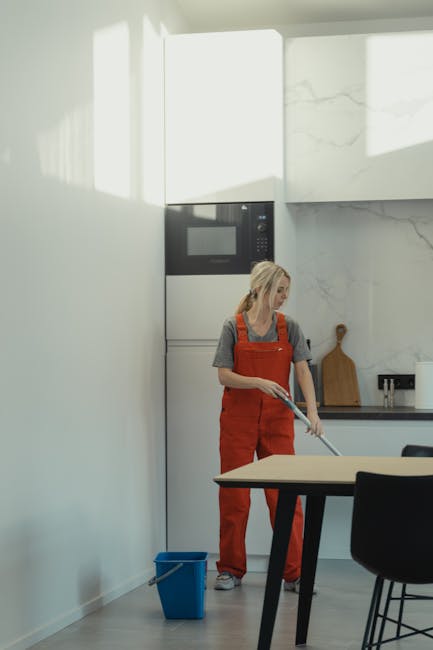
Cleaning services for homes on Battersea Rise: a practical guide for busy households
If you live on Battersea Rise, you probably know the feeling: the house looks fine from a distance, then you notice the fingerprints on the door frames, the dust on the skirting boards, and the kitchen that somehow needs attention again. Cleaning services for homes on Battersea Rise are not just about making a place look tidy for an hour or two. They are about keeping a home comfortable, healthy, and manageable in a busy part of south-west London where life rarely slows down for long.
This guide walks you through what domestic cleaning really involves, how the process works, which services suit different homes, and what to look for before you book. You will also find practical checklists, a simple comparison table, and a realistic example of how a good cleaning plan can save time and stress. No fluff. Just the useful stuff, properly explained.
Table of Contents
- Why Cleaning services for homes on Battersea Rise Matters
- How Cleaning services for homes on Battersea Rise Works
- Key Benefits and Practical Advantages
- Who This Is For and When It Makes Sense
- Step-by-Step Guidance
- Expert Tips for Better Results
- Common Mistakes to Avoid
- Tools, Resources and Recommendations
- Law, Compliance, Standards, or Best Practice
- Options, Methods, or Comparison Table
- Case Study or Real-World Example
- Practical Checklist
- Conclusion
- Frequently Asked Questions
Why Cleaning services for homes on Battersea Rise Matters
Battersea Rise sits in a part of London where homes are often lived in hard. That is not a criticism; it is just reality. Families, sharers, professionals, commuters, and landlords all use homes differently, and each pattern creates its own cleaning challenges. A busy hallway collects grit. Kitchens get a film on handles and splash zones. Bathrooms need regular attention or they start to feel tired fast. If you have pets, children, or a flexible hybrid work routine, the pace of mess can feel relentless.
That is where a professional domestic cleaning service becomes genuinely useful. It is not only about appearance. It also helps with day-to-day hygiene, reduces the pressure of weekend catch-up cleaning, and keeps a property feeling calm rather than slightly chaotic. To be fair, most people do not need a spotless showroom. They need a home that feels looked after.
There is also a local aspect. Battersea Rise homes often have different layouts, ages, and finishes, from period terraces to modern flats. That means a one-size-fits-all cleaning routine rarely works. A cleaning plan should be adapted to the property, the surfaces, the household's routine, and the standard you want to maintain. In practice, that makes the result feel much better and usually more efficient too.
How Cleaning services for homes on Battersea Rise Works
Most home cleaning services follow a straightforward flow, even if the job itself varies. First, there is the initial conversation about the property and the areas that need attention. Then the cleaner or cleaning team works out the scope: regular upkeep, a one-off reset, a deep clean, or a more specific task such as ovens, carpets, or upholstery.
For many homes, the service starts with a standard domestic clean. That usually includes surfaces, floors, bathrooms, kitchens, dusting, and general tidying of lived-in areas. If the property needs more than maintenance cleaning, the job might be expanded into a deep cleaning visit, which typically tackles harder-to-reach grime, built-up residue, and neglected corners that a weekly clean would not usually cover.
Some households book a recurring plan, while others need help around a move, a tenancy change, or after renovations. If you are settling into a new property, move-in cleaning is especially helpful because it gives you a clean start before boxes are everywhere and cupboards are half unpacked. If you are leaving, move-out cleaning and end of tenancy cleaning are designed for a more exacting finish.
Some cleaning jobs are also room-specific. A greasy oven may need oven cleaning, tired carpets may benefit from carpet cleaning, and sofas or chairs can often be refreshed with sofa cleaning or upholstery cleaning. If your windows are covered in rain marks and street dust, window cleaning can lift the whole room, and that effect is oddly satisfying. A cleaner room really can make a room feel brighter by mid-morning.
Key Benefits and Practical Advantages
People usually think of cleaning services as a convenience, and yes, that is true. But the practical benefits go further than saving time.
- A more manageable routine: weekly or fortnightly cleaning prevents small jobs becoming huge weekend chores.
- Better hygiene in the places that matter most: bathrooms, kitchen touchpoints, bins, and floors need consistent attention.
- Less wear and tear: dust and grime can dull finishes, stain fabrics, and make a property feel older than it is.
- More useful weekends: instead of spending Saturday wiping tiles, you can actually do something else. Novel, I know.
- A better first impression: important if you host guests, are preparing for a move, or simply want the home to feel good when you walk in.
There is also a quieter benefit that people do not always mention: reduced mental clutter. A clean home tends to feel easier to inhabit. You stop noticing the same irritating little jobs every day. That matters, especially in smaller homes or shared spaces where mess seems to echo from room to room.
For landlords and renters, the benefits can be even more concrete. A reliable cleaning standard can help protect deposits, reduce complaints, and keep the property in better condition over time. For families, the benefit may simply be that the bathroom is ready before the school run. Small thing, big difference.
Who This Is For and When It Makes Sense
Cleaning services for homes on Battersea Rise make sense for a wide range of people. You do not need to be overwhelmed before you ask for help. In fact, that is usually the worst time to leave it. A good cleaning schedule works best when it supports your routine rather than rescuing it at the last minute.
It is often the right choice if you are:
- a busy professional who is out for much of the week;
- a family juggling work, school runs, and general life admin;
- a tenant getting ready for a check-out or deposit return;
- a homeowner who wants a higher standard without doing everything yourself;
- someone recovering from a house move, renovation, or long period of neglect;
- a landlord preparing a property for new occupants;
- an Airbnb host needing a dependable turnover clean between guests.
If your home has special pressure points, that is worth thinking about too. For example, homes with carpets in high-traffic areas often need more than a standard vacuum. Properties with pets tend to collect hair in awkward places. And if you have a lovely old sofa that has seen a few winters, it may need more careful fabric cleaning than people expect. The right service takes those details seriously.
Sometimes the issue is not mess at all. It is simply time. Truth be told, most households are not short on intentions; they are short on hours.
Step-by-Step Guidance
If you are booking domestic cleaning for the first time, the process is much easier when you approach it in a clear order. Here is the simple version.
- Decide the outcome you want. Do you need a tidy-up, a full reset, or ongoing maintenance? That choice shapes everything else.
- Walk through the property mentally, room by room. Note the spots that always get missed: behind taps, under radiators, around cooker knobs, window sills, skirting boards.
- Choose the right service type. A routine clean is not the same as a one-off cleaning visit, and neither is the same as a post-renovation job. If builders have been in, after builders cleaning is the better fit.
- Check what is included. The difference between "general cleaning" and a detailed task list can be quite large. Ask for clarity rather than guessing.
- Book a convenient slot. Some homes benefit from mornings when surfaces are clear and natural light shows dust properly. Other homes are easier after school drop-off or before guests arrive.
- Prepare the space lightly. Put away valuables, tidy paperwork, and move small obstacles where possible. You do not need to deep-clean before the cleaners arrive. That would be a bit unfair on everyone.
- Review the result and adjust. The first visit is often the moment you refine the brief. Maybe the kitchen needs more focus, or the hallway needs extra attention. That is normal.
For recurring cleaning, this process becomes smoother over time. The cleaner learns the property, the household learns what to expect, and the service becomes more precise. That is usually where the real value starts to show.
Expert Tips for Better Results
A few small decisions can make a noticeable difference to the outcome. They are not dramatic. They just help the service work the way it should.
- Prioritise the high-touch areas first. Door handles, light switches, kitchen worktops, taps, and bathroom fixtures usually need the most regular attention.
- Use a realistic schedule. A home with children or pets may need weekly cleaning; a quieter flat might do fine with fortnightly visits.
- Match the method to the surface. Wood, stone, glass, fabric, and stainless steel each respond differently. A good cleaner understands this and avoids shortcuts.
- Separate maintenance from restoration. If the oven is heavily baked-on, it may need a dedicated oven clean rather than a quick wipe.
- Ask about products if you have sensitivities. If you prefer low-odour or gentler products, say so at the beginning rather than halfway through.
- Keep a short running list of niggles. A small note on your phone about a stubborn stain or dusty ledge can save time later.
In our experience, the best cleaning results come from consistency rather than heroic effort. A decent weekly routine usually beats a frantic monthly overhaul, and it feels much calmer too.
If sustainability matters to you, have a look at the company's approach to recycling and sustainability. That can be useful if you want cleaning to fit into a lower-waste household routine rather than sit awkwardly beside it.
Common Mistakes to Avoid
A few avoidable mistakes crop up again and again, and they can make the service feel less effective than it should.
- Being vague about expectations. "Just clean the house" sounds simple, but it rarely helps. Better to say which rooms and which problems matter most.
- Choosing the wrong type of service. A maintenance clean will not solve months of buildup. Likewise, a deep clean is overkill if you only need regular upkeep.
- Ignoring hidden trouble spots. Behind appliances, around plugs, and along trim lines are the places that quietly collect grime.
- Expecting one visit to fix everything permanently. Cleaning is a system, not a miracle. Sorry, but that is the honest version.
- Forgetting fabric items. Carpets, sofas, rugs, and mattresses all hold onto dust and odour longer than hard surfaces do.
- Not checking trust and safety basics. Insurance, health and safety standards, and payment security are not optional extras. They are part of sensible hiring.
One more practical point: if a room feels "clean enough" but still smells stale, the issue may not be visible dirt at all. It could be fabric, moisture, or neglect in soft furnishings. That is where targeted tasks like mattress cleaning, rug cleaning, or sofa cleaning can make a real difference.
Tools, Resources and Recommendations
You do not need a cupboard full of specialist gear to maintain a clean home, but a few sensible tools help. For most households, the basics are enough:
- a reliable vacuum cleaner with attachments;
- a microfibre cloth set for dusting and wiping;
- two or three non-scratch sponges;
- a mop suited to your floor type;
- glass and bathroom cloths kept separate, ideally;
- simple labels or baskets for keeping cleaning items organised.
For hiring decisions, the most useful resources are the service pages that explain what each specialist clean covers. If you are unsure whether you need regular cleaning or a single reset visit, comparing the scope is more useful than comparing slogans. Likewise, if a room feels tired because of soft furnishings rather than surfaces, you may need carpet cleaning or window cleaning rather than a broad all-over clean.
It can also help to look at company information pages before you book. For example, about the team, insurance and safety, and payment and security are all sensible things to review. They do not sound exciting, granted, but they tell you a lot about how a provider works.
Law, Compliance, Standards, or Best Practice
For home cleaning, the main point is not legal complexity; it is operating responsibly. A trustworthy cleaning provider should have clear procedures around health and safety, appropriate insurance, staff conduct, and complaint handling. Those basics matter more than flashy promises.
In a UK home-cleaning context, best practice usually includes:
- clear communication about what is included and what is not;
- safe use and storage of cleaning products;
- respect for the property and the people living in it;
- appropriate handling of delicate surfaces and fabrics;
- transparent terms and conditions;
- a proper complaints route if something goes wrong.
If you want a deeper look at how a company approaches these duties, pages like health and safety policy, complaints procedure, and terms and conditions are helpful. You may never need them. But if you do, you will be glad they exist.
And if you have strong privacy concerns, especially with regular access to your home, it is sensible to review privacy policy too. That is just good sense, really.
Options, Methods, or Comparison Table
Different homes need different approaches. Here is a simple comparison to help you choose the most sensible option.
| Service type | Best for | Typical focus | When to choose it |
|---|---|---|---|
| Regular cleaning | Busy households, ongoing upkeep | Floors, surfaces, bathrooms, kitchens, dusting | When you want the home to stay under control week by week |
| One-off cleaning | Resetting a home after a busy spell | General deep refresh across rooms | When the property needs a noticeable lift but not a tenancy clean |
| Deep cleaning | Built-up dirt, neglected areas, seasonal refreshes | Detailed work on edges, fixtures, stubborn grime | When the home needs a more intensive first visit or reset |
| End of tenancy cleaning | Tenants, landlords, letting transitions | High-detail clean with check-out expectations in mind | When the property is changing hands |
| Specialist cleaning | Problem areas like carpets, ovens, furniture, windows | Targeted removal of dirt, marks, odours, and wear | When one item or area is letting the whole room down |
The useful thing about this comparison is that it stops you paying for the wrong kind of help. A bit of thought upfront saves a lot of awkwardness later. And occasionally, a much cleaner sofa.
Case Study or Real-World Example
Imagine a two-bedroom flat on Battersea Rise with a couple working hybrid schedules. One person is mostly in London during the week, the other is in and out for meetings. The kitchen gets used daily, the hallway gathers shoe dirt, and the bathroom is fine until it suddenly is not. Not filthy. Just perpetually a bit behind.
They start with a one-off reset. The aim is to tackle the build-up: bathroom limescale, kitchen surfaces, skirting boards, floor edges, and the sort of dust you only notice when afternoon light hits the room. After that, they move to a regular schedule every fortnight. The result is not perfection. It is better than perfection because it is sustainable. The flat stays easy to live in, and nobody spends Sunday afternoon muttering at a mop.
Later, before visitors arrive, they add a window clean and a sofa refresh. That is the part people notice first, interestingly enough. A room can feel tired simply because the fabrics and glass are letting it down. Once those are sorted, the whole place feels calmer and more finished.
That is the pattern worth aiming for: start with the biggest pressure points, then maintain. Simple, but effective.
Practical Checklist
Use this checklist before booking cleaning services for homes on Battersea Rise:
- Decide whether you need regular cleaning, a one-off visit, or a specialist task.
- List the rooms that matter most.
- Note problem areas such as ovens, carpets, upholstery, windows, or mattresses.
- Check whether you need a move-in or move-out clean.
- Review the provider's insurance and safety information.
- Look at their pricing and quote process before committing.
- Confirm what is included in the service and what counts as extra.
- Prepare access details and any special instructions in advance.
- Put away valuables and breakable items.
- Keep a short follow-up list after the first visit so the service can be refined.
Expert summary: The best home cleaning service is the one that fits your real routine, not just your ideal routine. If the plan is too ambitious, it collapses. If it is well matched to the home, it quietly makes life easier every single week.
If you want to compare options properly, it is worth checking pricing and quotes alongside the service descriptions. That gives you a clearer picture of value, not just price. And honestly, value is what usually matters after the first visit.
Get a free quote today and see how much you can save.
Conclusion
Cleaning services for homes on Battersea Rise are most useful when they are treated as part of normal home life rather than a last-minute rescue. Whether you need weekly support, a one-off reset, or a more specific service for carpets, ovens, windows, or upholstery, the right approach should make your home feel lighter, easier, and more pleasant to live in.
The main thing is to choose the right scope, set clear expectations, and look for a provider that takes safety, clarity, and consistency seriously. Once that is in place, cleaning stops being a nagging task in the back of your mind and becomes something quietly dependable. Which, let's be honest, is a lovely thing to have in a busy London week.
Sometimes a clean home is not about impressing anyone. It is just about walking in, putting your keys down, and breathing out. That's the real win.
Frequently Asked Questions
What do cleaning services for homes on Battersea Rise usually include?
Most home cleaning visits cover dusting, wiping surfaces, vacuuming, mopping, kitchen cleaning, and bathroom cleaning. The exact scope depends on whether you book regular cleaning, a one-off reset, or a deeper service.
How often should a home on Battersea Rise be professionally cleaned?
That depends on how the property is used. Busy family homes and pet households often benefit from weekly cleaning, while quieter flats may be fine with fortnightly or occasional visits.
Is a deep clean better than regular cleaning?
Not necessarily. A deep clean is better for built-up grime, neglected areas, or a first-time reset. Regular cleaning is better for keeping a home under control once the standard is already in place.
Should I book move-in cleaning before unpacking?
Yes, if possible. A move-in clean is easiest when rooms are mostly empty, because the cleaner can reach skirting boards, cupboards, and corners properly before your boxes are everywhere.
What is the difference between move-out cleaning and end of tenancy cleaning?
They are closely related and often overlap. Move-out cleaning refers to cleaning before you hand back the property, while end of tenancy cleaning usually means a more detailed service aimed at leaving the home in a strong condition for inspection.
Can cleaning services help with carpets and sofas as well?
Yes. Many homes benefit from specialist fabric care such as carpet cleaning, sofa cleaning, upholstery cleaning, rug cleaning, or mattress cleaning when soft furnishings are holding onto dust, marks, or odour.
How do I know whether I need one-off cleaning or regular cleaning?
If the home needs a proper reset, start with one-off cleaning. If the issue is ongoing maintenance and you want the space to stay tidy week after week, regular cleaning is the better fit.
What should I check before booking a cleaner?
Look at what is included, whether the company has clear health and safety information, how payments are handled, and whether the terms are easy to understand. It is also sensible to review their complaints procedure and insurance details.
Are cleaning products safe for children and pets?
That depends on the products used and how they are handled. If you have children, pets, or sensitivities, ask about the cleaning approach in advance and make sure special instructions are clearly communicated.
Do I need to tidy before a cleaner arrives?
A small amount of tidying helps, mainly so surfaces are accessible and valuable items are put away. But you do not need to clean first. The whole point is to save yourself that effort.
What if I only need help in certain rooms?
That is completely normal. Many households only need support in kitchens, bathrooms, or shared living spaces. A good service should be able to focus on the rooms that matter most.
How can I get the best value from home cleaning services?
Be clear about priorities, choose the right service type, and keep the schedule realistic. Value usually comes from matching the clean to the home properly, not from chasing the cheapest option.
Where can I read more about the company before booking?
It is sensible to review pages such as about us, pricing and quotes, and contact us so you know how the service works and what to expect before you go ahead.