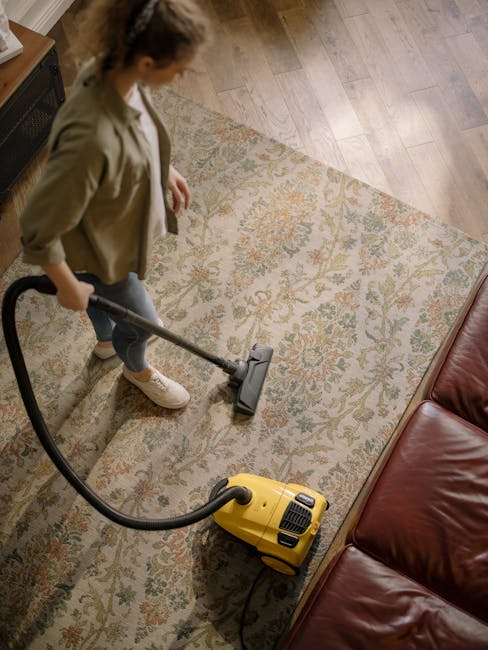
Battersea Park carpet cleaning specialists SW11
If your carpets in Battersea Park are looking tired, holding onto odours, or just not bouncing back after everyday life, you are not alone. Homes and flats around SW11 see a lot: muddy shoes after a wet commute, pets doing their thing, kids with snacks, the odd splash from a dinner party, and dust that seems to appear from nowhere. Battersea Park carpet cleaning specialists SW11 services are designed for exactly that kind of reality.
This guide explains what professional carpet cleaning actually involves, when it makes sense, what results you can reasonably expect, and how to avoid the little mistakes that can leave carpets worse off. It also covers practical local considerations, from apartment living and shared access to the difference between a quick refresh and a proper deep clean. Straight talking, useful, and hopefully a bit reassuring too.
Contents
- Why Battersea Park carpet cleaning specialists SW11 Matters
- How Battersea Park carpet cleaning specialists SW11 Works
- Key Benefits and Practical Advantages
- Who This Is For and When It Makes Sense
- Step-by-Step Guidance
- Expert Tips for Better Results
- Common Mistakes to Avoid
- Tools, Resources and Recommendations
- Law, Compliance, Standards, or Best Practice
- Options, Methods, or Comparison Table
- Case Study or Real-World Example
- Practical Checklist
- Conclusion
- Frequently Asked Questions
Why Battersea Park carpet cleaning specialists SW11 Matters
Carpets do more than soften a room. They trap dust, soil, crumbs, pet hair, pollen, and the stuff you do not notice until it has built up for months. In an area like Battersea Park, where people often move between busy streets, green spaces, riverside walks, and compact homes, carpets can pick up a surprising amount of grit. That grit acts like sandpaper underfoot. It wears fibres down little by little.
Professional carpet cleaning matters because vacuuming alone cannot reach everything lodged deep in the pile. Over time, this build-up can make a room look dull even when it is technically tidy. You will notice it most in hallways, living rooms, and any spot where people naturally gather. It is that "why does this room feel older than it is?" feeling. Annoying, but common.
There is also a comfort side to this. Cleaner carpets usually mean a fresher smell, a lighter feel in the room, and less visual clutter from marks and shadows in the fibres. For households with children, pets, or allergy concerns, a proper clean can make day-to-day living feel noticeably easier. Not magic. Just better.
If you are comparing services across home and business settings, it can help to look at the wider range of support available, such as domestic cleaning, house cleaning, and commercial cleaning. Carpets often sit at the centre of a bigger cleaning picture, not on their own.
Expert summary: The best carpet cleaning is not just about removing visible stains. It is about lifting embedded soil, neutralising odours, protecting fibre life, and restoring the room so it feels genuinely cared for.
How Battersea Park carpet cleaning specialists SW11 Works
A good carpet clean starts with inspection, not spraying and hoping. That sounds obvious, but it is where the real difference happens. Different carpets react differently to heat, moisture, detergents, and agitation. Wool, synthetic blends, loop pile, cut pile, and delicate rugs all need slightly different handling.
In practice, a specialist will usually begin by checking the fibre type, the condition of the carpet, problem areas, and any previous cleaning residue. That matters because over-wetting or using the wrong product can leave a carpet sticky, patchy, or slow to dry. And nobody wants the room smelling faintly damp for half the afternoon. To be fair, that is the bit people remember most if it goes wrong.
The cleaning process itself often includes:
- dry soil removal through thorough vacuuming
- spot treatment for stains and traffic lanes
- pre-treatment to loosen embedded dirt
- mechanical agitation where suitable
- hot water extraction or another appropriate cleaning method
- final inspection and drying guidance
For some properties, carpet cleaning is part of a broader refresh alongside deep cleaning or one-off cleaning. That is especially useful before guests arrive, after a renovation, or when a tenancy is ending.
Drying time varies. Room temperature, airflow, humidity, carpet thickness, and the amount of moisture used all play a role. In a London flat with not much cross-ventilation, that can make a difference. Open the windows if you can, run fans if needed, and keep foot traffic light until the carpet is properly dry.
Key Benefits and Practical Advantages
The obvious benefit is a cleaner carpet. But if that were the whole story, this article would be a lot shorter. The practical advantages go further.
- Better appearance: a professional clean can lift overall dullness and restore colour clarity.
- Improved freshness: lingering cooking smells, pet odours, and general mustiness often reduce after a proper clean.
- Longer carpet life: removing abrasive dirt helps fibres last longer.
- Support for busy homes: ideal when you do not have the time, tools, or patience to do a careful job yourself.
- Move-related peace of mind: useful before inspections, after moving out, or just before moving in.
- Better first impressions: particularly important in rentals, guest lets, and client-facing spaces.
There is also a subtle but real benefit: a room can feel less "stuck." A clean carpet changes the whole mood. The sofa looks better. The light feels brighter. The floor stops quietly nagging at you every time you walk in. Strange how that works, but it does.
For properties that need regular upkeep, linking carpet cleaning with regular cleaning can be a sensible routine. And if soft furnishings are part of the problem too, consider upholstery cleaning or sofa cleaning so the whole room feels balanced rather than half-finished.
Who This Is For and When It Makes Sense
Not every carpet needs professional attention every few months, and truth be told, not every mark needs a full service. But there are plenty of situations where specialist cleaning makes sense.
This service is especially useful for:
- families with children, pets, or both
- renters preparing for inventory or end-of-tenancy checks
- homeowners who want to refresh a tired room without replacing the carpet
- landlords keeping a property presentable between tenants
- Airbnb hosts and short-let operators who need fast turnaround
- offices and shared spaces where footfall is constant
If you are moving, carpet care often sits alongside move-in cleaning or move-out cleaning. That is one of those sensible decisions that saves stress later. You clear the room once, rather than keep revisiting it with a stain remover in one hand and a vague sense of defeat in the other.
There are also times when a clean is more urgent than usual: after a spill that has soaked in, after building dust settles, or after a period of heavy use when the carpet looks flattened and tired. If the carpet feels sticky, smells off, or stays marked after vacuuming, that is usually the cue.
Step-by-Step Guidance
If you have never booked a carpet clean before, here is the process in plain English.
- Assess the carpet
Look at the fibre, the age, the visible marks, and whether the carpet has delicate areas or loose edging. Mention any prior treatment you know about. - Vacuum thoroughly
This removes loose grit before any moisture is introduced. Skipping this step makes the rest less effective. - Identify spots and traffic lanes
Hallway paths, around sofas, and under dining tables often need extra attention. - Apply targeted pre-treatment
This softens embedded dirt and helps stains release more evenly. - Use the right cleaning method
Hot water extraction, low-moisture treatment, or another technique may be chosen depending on the carpet. - Rinse or extract properly
This is crucial. Residue left behind can attract dirt again quickly. - Dry with airflow
Open windows if possible and avoid heavy use until dry. - Inspect the result
Check whether any marks need a second pass. A good cleaner will say so clearly rather than pretend everything is perfect.
One useful habit: move small items off the floor beforehand. Shoes, toys, plant stands, baskets, cables, and lightweight furniture can all slow things down. It sounds minor, but it helps the job feel smoother from the start.
Expert Tips for Better Results
A few practical habits can make a real difference to the final result. These are the small things people rarely mention, yet they matter.
- Treat spills quickly, but gently. Blot rather than scrub. Scrubbing pushes the mark deeper and roughs up the fibres.
- Test cleaning products first. Especially on wool, patterned carpets, or older fibres with faded dye.
- Keep up with vacuuming. Regular vacuuming protects the carpet between professional cleans.
- Ask about drying expectations. If you need the room back for an evening, say so early.
- Be honest about stains. Coffee, wine, paint, mud, pet accidents, and grease all behave differently. There is no point dancing around it.
- Use protection after cleaning if needed. In some homes, especially busy ones, a preventative approach makes sense.
Another subtle one: check the weather. On a grey, damp London morning, carpets may take longer to dry than people expect. It is not dramatic, just practical. A bit of planning saves that awkward "are these still wet?" moment at six o'clock.
If your carpets are part of a larger property refresh, the best results often come when cleaning is planned with related tasks such as window cleaning and communal area cleaning. Everything feels more complete when the whole space is dealt with, not just one patch of floor.
Common Mistakes to Avoid
Most carpet problems do not come from one huge error. They come from a series of small ones. Familiar story, really.
- Using too much water: this can leave carpets soggy, slow to dry, and prone to odour.
- Over-applying stain removers: more product is not always better. Sometimes it leaves residue or creates a halo effect.
- Rubbing stains aggressively: this can damage fibres and spread the mark.
- Ignoring fibre type: what works on synthetic carpet may not suit wool or delicate blends.
- Forgetting drying time: walking on a damp carpet too soon can re-soil it.
- Assuming all stains can be removed fully: some marks are old, set, or chemically altered. A good specialist will explain that honestly.
One more mistake, and it is a big one in rentals: leaving carpet cleaning until the last minute. If you are moving out, do not schedule everything for the final morning. That is the sort of decision that looks fine on paper and turns into mild chaos by lunchtime.
Tools, Resources and Recommendations
You do not need a warehouse of equipment to keep carpets in good shape, but a few basics help.
- A reliable vacuum cleaner: regular use is the foundation of carpet care.
- Microfibre cloths: useful for blotting fresh spills.
- Appropriate spot treatment: chosen carefully for the carpet fibre.
- Fans or good ventilation: especially helpful after professional cleaning.
- Protective pads or mats: useful in entry areas and under high-use furniture.
From a service perspective, it also helps to look at whether carpet cleaning sits within a broader cleaning plan. For example, some properties benefit from end-of-tenancy cleaning, after-builders cleaning, or office cleaning. The right mix depends on how the space is used and how quickly it needs to be turned around.
When comparing options, ask practical questions rather than just chasing the cheapest number. What method will be used? How long will drying take? Are delicate areas handled separately? What happens if a stain does not lift fully? Those answers tell you more than a glossy promise ever will.
Law, Compliance, Standards, or Best Practice
Carpet cleaning is not usually a heavily regulated service in itself, but reputable providers still need to operate with care. In the UK, that means sensible attention to health and safety, product handling, insurance, and clear customer communication. If cleaning takes place in a rented home, shared building, or business setting, access, hazards, and expectations should be handled professionally.
Good practice includes:
- using products appropriately for the surface and fibre type
- reducing slip risks while floors are drying
- working carefully around electrical items and furniture
- explaining any limitations before work begins
- protecting client property during access and cleaning
If you are booking a service, it is sensible to review a provider's health and safety policy, insurance and safety information, and terms and conditions. Those pages should make the working approach clearer. You are not being difficult by checking. You are being sensible.
For budget and payment clarity, a transparent pricing and quotes page helps set expectations before anyone arrives with a machine in the hallway.
Options, Methods, or Comparison Table
Different carpet situations need different methods. There is no one-size-fits-all answer, despite what some ads would like you to believe.
| Method | Best for | Strengths | Watch-outs |
|---|---|---|---|
| Hot water extraction | Most domestic carpets with embedded soil | Deep soil removal, strong overall refresh | Longer drying time if overused or in poor ventilation |
| Low-moisture cleaning | Quick turnaround, lighter maintenance cleans | Faster drying, less disruption | May be less effective on heavy soiling |
| Spot treatment only | Small, isolated marks | Fast and targeted | Not a substitute for proper cleaning if the whole carpet is dull |
| Combined deep clean | Homes, rentals, and busy spaces needing full refresh | More complete result, often better visual impact | Takes more time and planning |
If you have a rug alongside fitted carpets, it may be worth looking at rug cleaning too. Rugs and fitted carpets are cousins, not twins, so they should not always be treated the same way.
Case Study or Real-World Example
Imagine a first-floor flat near Battersea Park with a living room carpet that has gone flat around the sofa and darker along the route from the hallway to the kitchen. Nothing dramatic, just that tired lived-in look that quietly makes the whole room feel older. The resident had vacuumed regularly, but the carpet still looked patchy and held a faint stale smell after rainy weeks.
A specialist inspection would likely spot a mix of dry soil, grease from foot traffic, and a couple of old drink marks near the seating area. After pre-treatment and a suitable clean, the carpet would not become brand new - that would be unrealistic - but the overall shade would likely look more even, the room would smell fresher, and the traffic lanes would be less obvious. Small win, big feeling.
That sort of result is often enough to change how a room is used. People sit down more confidently. The light looks better in the late afternoon. The place feels less like a chore and more like home. And, yes, sometimes that is the real outcome people want.
Practical Checklist
Use this quick checklist before booking or carrying out a carpet clean.
- Identify the carpet type if you can.
- Note stains, odours, and traffic areas.
- Move fragile or lightweight items out of the way.
- Ask how long drying is likely to take.
- Check whether the method suits the carpet fibre.
- Confirm access details for flats, shared entrances, or parking.
- Ask what happens with stubborn or old stains.
- Make sure the room can ventilate after cleaning.
- Review insurance, safety, and terms before work starts.
- Plan any related cleaning at the same time if needed.
If you also need help preparing a property for guests or a handover, it can be practical to combine carpet work with airbnb cleaning or move-in cleaning. That way the carpets are not the last thing holding the place together.
Conclusion
Battersea Park carpet cleaning specialists SW11 are most valuable when you want more than a surface tidy. You want carpets that look fresher, feel cleaner, and support the rest of the room rather than dragging it down. The right approach depends on the fibre, the level of soiling, the property type, and how soon the room needs to be used again.
For many households and landlords, professional carpet cleaning is one of those services that quietly pays for itself in comfort, presentation, and peace of mind. It is not just about removing a stain. It is about restoring the feel of the space. And honestly, that matters more than people sometimes expect.
Get a free quote today and see how much you can save.
If you would like to learn more about the team behind the service, you can also read the about us page or visit the main website for broader cleaning support and service information.
Frequently Asked Questions
How often should carpets in Battersea Park homes be professionally cleaned?
It depends on footfall, pets, children, and how quickly marks appear. Many busy households benefit from a professional clean once or twice a year, while lighter-use homes may need it less often.
Will carpet cleaning remove all stains?
Not always. Fresh stains are easier than old, set-in ones, and some marks permanently alter fibres or dye. A good cleaner will be honest about what is likely and what is not.
How long does carpet take to dry after cleaning?
Drying time varies with the method, ventilation, carpet thickness, and room temperature. In a well-ventilated room it may dry fairly quickly; in a closed flat, it can take longer.
Is carpet cleaning safe for wool carpets?
Yes, when the correct method and products are used. Wool needs more care than many synthetic fibres, so it is important to mention the material before work starts.
Can carpet cleaning help with pet odours?
Often, yes. If the odour is coming from soil, hair, or surface contamination, cleaning can make a noticeable difference. If the smell has soaked deep into underlay, results may be more limited.
Do I need to move furniture before the appointment?
Light items are usually best moved in advance. Heavier furniture may be worked around or discussed beforehand. It is always worth confirming access and furniture expectations early.
What is the difference between carpet cleaning and deep cleaning?
Carpet cleaning focuses on flooring. Deep cleaning is broader and usually covers more of the property, including harder-to-reach areas and fixtures. They can be booked together when the whole home needs attention.
Is professional carpet cleaning worth it for rented properties?
Usually, yes. It can improve presentation, help with handovers, and reduce the chance of avoidable cleaning issues at the end of a tenancy. It is one of those jobs that can save stress later.
Can carpet cleaning be done alongside other services?
Absolutely. It often makes sense to combine it with services such as end of tenancy cleaning, move out cleaning, or oven cleaning if you are preparing a property for inspection or sale.
How do I know if a carpet cleaner is trustworthy?
Look for clear service information, straightforward pricing, insurance and safety details, and sensible communication about what the service can and cannot do. That kind of transparency usually tells you a lot.
Will carpet cleaning leave my room smelling strongly of chemicals?
It should not be overpowering. A good clean should leave carpets smelling fresh, not like a perfume counter exploded. Mild scent is normal; heavy chemical odour is not ideal.
What should I do after the carpet has been cleaned?
Keep foot traffic light until dry, ventilate the room if possible, and avoid replacing heavy furniture too soon. If you want the result to last, regular vacuuming afterwards helps a lot.